

In South Gate, what qualifies as a dental emergency is bleeding that will not stop, swelling that affects breathing or swallowing, or a possible broken jaw, and those signs belong at an emergency room first. A knocked-out adult tooth, severe pain, an abscess or a painful broken tooth needs a dentist as soon as possible, while a painless chip can often wait.
Last Updated: October 21, 2026
Table of Contents
This post is general information and not a diagnosis. Ask your dentist whether this applies to you.
South Gate families face the same three choices as anyone when a tooth goes wrong: the emergency room, a dentist as soon as possible, or a regular appointment. Picking the wrong one can mean an ER visit that cannot fix the tooth, or a delay that lets a problem get worse.
The kind of problem matters more than how alarming it feels. Dental guidance often sorts problems into emergency, urgent and routine care, and each tier points somewhere different.
At Simple Dental, we would rather you know which tier you are in before you decide where to go. This guide walks through the warning signs for each one, using guidance from the American Dental Association and other health bodies.
How Dentists Sort Emergency, Urgent and Routine Problems
Dental problems are often sorted into three tiers. Guidance the American Dental Association issued during the COVID-19 pandemic, last updated in March 2021, split them into emergencies that can threaten life, urgent problems that need a dentist soon, and routine care that can wait, leaving the final call to the dentist’s judgment.
The Emergency Tier
The ADA described dental emergencies as “potentially life threatening.” Its list was short:
- Bleeding: bleeding that cannot be controlled
- Spreading infection: swelling inside or outside the mouth that could affect breathing
- Facial trauma: injury to the facial bones that could affect breathing
When any of them appears, the first stop is 911 or the nearest emergency room.
The Urgent Tier
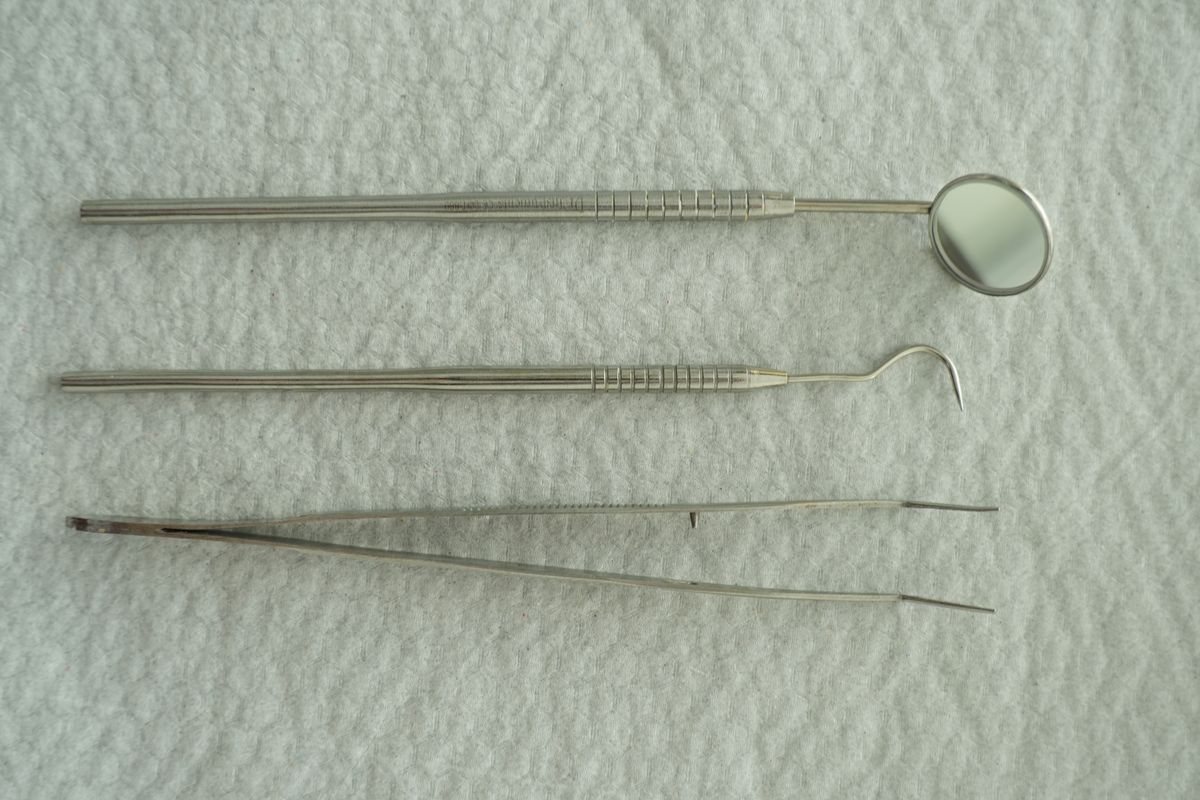
Urgent care, in the ADA’s words, covers “conditions that require immediate attention to relieve severe pain and/or risk of infection.” Its examples included severe pain from an inflamed tooth nerve, an abscess, a broken tooth that hurts, a knocked-out tooth and a lost temporary crown.
Problems like these need a dentist, because most emergency rooms are not equipped to treat the tooth itself.
Our emergency dentist page lists the urgent problems we see in South Gate.
The Routine Tier
Routine care is everything that can safely be scheduled. The ADA’s non-emergency list included checkups and routine X-rays, cleanings, cosmetic treatment, and fillings for cavities that are not causing symptoms.
Those can wait for a normal appointment.
Warning Signs That Point to the Emergency Room First
Trouble breathing or swallowing, swelling that spreads toward the eye, neck or throat, bleeding that will not stop, and a possible broken jaw belong at an emergency room before a dental office. In South Gate, that means calling 911 or going to the nearest ER.
Swelling That Spreads Toward the Eye, Neck or Throat
MedlinePlus calls a swollen area of the upper or lower jaw “a very serious symptom” of a tooth abscess.
Mayo Clinic advises going to the emergency room for trouble breathing or swallowing, or for fever with facial swelling when you cannot reach your dentist. Those symptoms may mean the infection has spread into the jaw, throat or neck.
Bleeding That Will Not Stop
The ADA put uncontrolled bleeding first on its list of dental emergencies. For a bitten lip or tongue, it advises your dentist or the emergency room if bleeding is heavy, will not stop, or comes with a lot of pain.
If it happens when your dental office is closed, the ADA’s advice is to visit your local emergency room.
A Possible Broken Jaw or Facial Bone Injury
Trauma involving the facial bones was on the ADA’s emergency list when it could affect the airway. For a possible broken jaw, the ADA’s MouthHealthy site advises a cold compress and a dentist or hospital emergency department immediately.
For tooth pain without an injury, our post on whether to go to the ER or an emergency dentist for tooth pain covers that choice.
Tooth Problems That Usually Need a Dentist Quickly
A knocked-out adult tooth, severe tooth pain, a tooth abscess, a broken tooth that hurts, and a lost temporary crown are urgent problems. They usually need a dentist as soon as possible, because a dentist can treat the tooth itself.
Our guide to the first 30 minutes of a dental emergency in South Gate covers first aid for each.
A Knocked-Out Adult Tooth
The International Association of Dental Traumatology calls a knocked-out permanent tooth “one of the most serious dental injuries.” The American Association of Endodontists advises seeing a dentist within 30 minutes of the injury.
Hold the tooth by the crown, not the root, rinse it gently if dirty, and try to put it back in the socket. Otherwise keep it moist in milk or saliva and get to a dentist right away.
For a baby tooth, do not put it back yourself; keep it moist and let the dentist decide.
Severe Pain or an Abscess
Severe pain from an inflamed tooth nerve and an abscess with localized pain and swelling were both on the ADA’s urgent list. MedlinePlus notes that untreated abscesses may get worse and can lead to life-threatening complications.
The NHS says a dental abscess will not go away on its own and needs urgent treatment by a dentist.
A Broken Tooth That Hurts
A tooth fracture that causes pain or cuts the soft tissue of the mouth was on the ADA’s urgent list. It needs a dentist as soon as possible.
A painless chip is a different case. MedlinePlus says you may not need an emergency visit for a simple chip that is not causing discomfort, though the tooth should still be fixed so sharp edges do not cut your lips or tongue.
Repairing a break is restorative work, and our post on what kind of dentist does restorative dentistry explains who usually does it.
A Lost Crown or Filling
A lost or broken temporary crown or bridge was on the ADA’s urgent list. For a lost permanent crown or filling, no public health body we checked sets a single rule.
Call the office, describe what happened, and our team can tell you how soon you should be seen. Our dental crowns page explains how crowns work.
Is It a Dental Emergency or Can It Wait in South Gate?
It is an emergency when it threatens breathing, swallowing or blood loss, and urgent when it involves severe pain, infection, or a knocked-out or painfully broken tooth, while a painless chip can usually wait. The table below sorts common situations, and your dentist makes the final call.
| Situation | Usually treated as | What raises the urgency |
|---|---|---|
| Swelling with trouble breathing or swallowing | Emergency: 911 or the ER | Fever, or swelling near the eye or neck |
| Bleeding that will not stop | Emergency: 911 or the ER | Heavy bleeding after an injury |
| Possible broken jaw | Emergency: dentist or ER immediately | Trouble breathing |
| Knocked-out adult tooth | Urgent: a dentist as soon as possible | Time out of the socket |
| Severe toothache or abscess | Urgent: a dentist as soon as possible | Fever or facial swelling |
| Broken tooth that hurts | Urgent: a dentist as soon as possible | Sharp edges cutting the cheek or tongue |
| Painless chip | Can usually wait for a regular visit | Pain, or a sharp edge |
Not sure which row fits? Call your dentist and describe what happened. Our post on what happens during an emergency visit with us explains the visit itself.
Getting the Right Level of Care in South Gate
Breathing trouble, spreading swelling, heavy bleeding and facial bone injuries belong at the emergency room first, while urgent tooth problems belong with a dentist as soon as possible. Knowing the difference gets a knocked-out tooth or an abscess to someone who can treat it.
At Simple Dental, we see urgent problems such as severe toothaches, knocked-out teeth, broken teeth, lost fillings and crowns, and abscesses. Call us today to describe what is happening, or schedule your visit through our South Gate scheduling page.
Frequently Asked Questions
What constitutes a true dental emergency?
A true dental emergency is one that can threaten life, such as uncontrolled bleeding, swelling that could affect your airway, or trauma to the facial bones. Those were the American Dental Association’s emergency examples in its COVID-19 pandemic guidance, and they call for 911 or an emergency room first.
What qualifies for emergency dental treatment?
Problems that need a dentist quickly usually qualify, including severe tooth pain, an abscess, a knocked-out tooth, a painful fracture, and a missing temporary crown. The ADA grouped these as urgent care, and the dentist decides how soon you are seen.
Is a bad toothache considered a dental emergency?
A bad toothache is usually urgent rather than life-threatening, since severe pain from an inflamed tooth nerve was on the ADA’s urgent list. It calls for an emergency room if it comes with trouble breathing or swallowing, or if a fever and a swollen face appear while your dentist is unreachable.
Is a popped filling a dental emergency?
A lost filling is not on the ADA’s emergency list, and no health body we checked gives a single rule for it. Pain changes that, since painful decay or failing fillings were on the ADA’s urgent list, so call your dentist and ask how soon you should be seen.
Is a chipped tooth a dental emergency?
A simple chip that does not hurt is usually not an emergency, and MedlinePlus notes that an emergency visit may not be needed for one. It is still worth repairing, since a sharp edge can cut the lips or tongue, and a chip that hurts or cuts the mouth is urgent.
Is an abscess tooth an emergency?
An abscess needs urgent treatment by a dentist, and it was on the ADA’s urgent list. Trouble breathing or swallowing, swelling near the eye or neck, or a fever alongside a swollen face while no dentist can be reached makes it a medical emergency, so call 911 or go to an emergency room.
What are the four common dental emergencies?
No single list of four appears in the ADA guidance we checked. The ADA’s MouthHealthy page gives first-aid steps for several common ones, including a knocked-out tooth, a cracked tooth, a toothache, a bitten lip or tongue, and a possible broken jaw.
Will the ER pull a tooth if it’s bad enough?
An emergency room often cannot treat the tooth itself. Researchers writing in BMC Oral Health note that most emergency departments are not equipped to give definitive dental care, and that ER dental care is mostly antibiotics and pain relief. The ER is still right for heavy bleeding.
 What Kind of Dentist Does Restorative Dentistry in South Gate?