


A deep cleaning in South Gate affects people differently, and the procedure may require a local anesthetic. Properly called scaling and root planing, it is done below the gumline to treat gum disease, and the American Dental Association says you may have pain for a day or two afterward and teeth sensitivity for up to a week. Your gums may also be swollen, tender, or bleed, and how much you feel varies from person to person.
You were told you need a deep cleaning, and now you are reading about it at 11 p.m. That is reasonable, because the explanation you get in the two minutes before you leave the office is rarely enough.
Here is the honest version, without the reassurance that makes people distrust the answer. What follows is the procedure itself, what you are likely to feel, and what changes that.
At Simple Dental, we think it is better to arrive knowing what to expect than to find out in the chair. Contact us today to ask about your own gums before you book anything.
What Is a Deep Cleaning, Exactly?
A lot of the anxiety around this comes from the name. “Deep cleaning” sounds like a longer version of the appointment you already know, but it is a different procedure with a different purpose.
It Is Not the Same as a Regular Cleaning
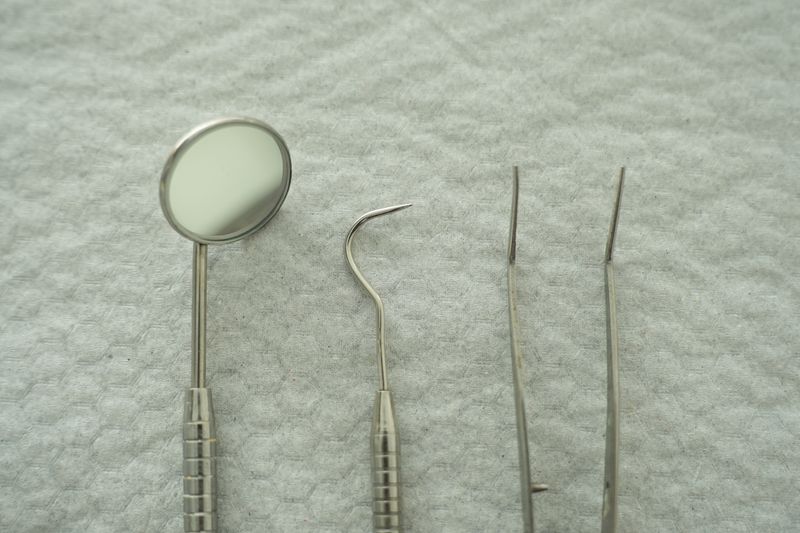 The American Dental Association defines a routine cleaning, or prophylaxis, as the “removal of plaque, calculus and stains from the tooth structures.” That is a preventive appointment, defined by what is removed rather than by treating a disease.
A deep cleaning, properly called scaling and root planing, is described by the same source as “a deep cleaning below the gumline used to treat gum disease.” The key words are below and treat.
So this is not a thorough version of a teeth cleaning. It is treatment for a condition, which is why it is scheduled differently and why it feels different.
Why the Pocket Depth Is the Trigger
Gums sit against teeth, and the space between them is measured in millimeters with a small probe. When that space gets deeper than it should be, bacteria live somewhere a toothbrush cannot reach.
The American Dental Association says the procedure may be needed when “pockets between your gums and teeth are too deep.” That measurement, not how your teeth look, is what drives the recommendation.
This is also the number worth asking for. If someone tells you that you need this treatment, ask what they measured and where, because those numbers are the reason.
Why It Often Takes More Than One Visit
The American Dental Association notes plainly that the procedure “may take more than one visit to complete.” That is not upselling. It is a normal way for the appointment to be structured.
Working one side of the mouth at a time usually means the anesthetic covers a smaller area and you leave able to eat on the other side. It also keeps each appointment to a manageable length.
If you were told it is two visits, that is normal. If you would rather do it differently, ask, because sometimes there is flexibility and sometimes there genuinely is not.
So Does a Deep Cleaning Actually Hurt?
The short answer is that it depends on the person, and the days after the appointment are the part people underestimate. Here is each stage on its own.
During the Appointment
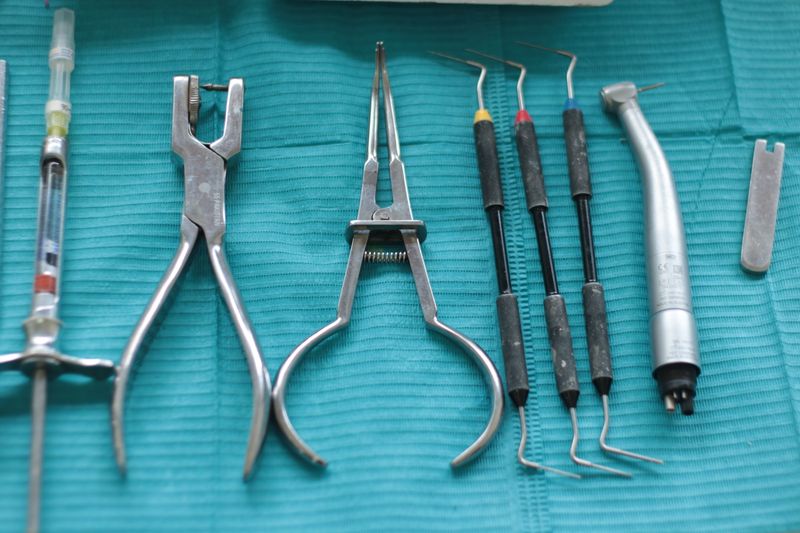 According to the American Dental Association, the procedure “may require a local anesthetic.” When numbing is used, what the instruments produce is pressure, scraping sounds, and water. How much of that registers as pain differs from person to person.
No one can promise you will feel nothing, and what people feel during this procedure varies. What is reasonable to expect is that discomfort is managed, and that you can stop the appointment if it is not.
Say something the moment it stops being tolerable. The person treating you cannot feel what you feel, and a raised hand is a normal part of the appointment, not an interruption.
The Day or Two After
This is the stage nobody warns people about. The American Dental Association is direct: “you may have pain for a day or two” afterward, and “your gums also may be swollen, feel tender and bleed.”
That is expected rather than a sign something went wrong. It is also the reason to book the appointment on a day when you are not presenting to a room afterward.
If the soreness is getting worse rather than better after a couple of days, that is worth a phone call. The pattern matters more than the intensity on any single day.
The Week After
Sensitivity lasts longer than soreness. The window given by the American Dental Association is “teeth sensitivity for up to a week,” which often shows up as a reaction to cold rather than a constant ache.
Warm food, a soft brush, and patience help while it settles. Ask your dentist about sensitivity toothpaste rather than guessing at the aisle.
A week is the outer edge of the range the American Dental Association gives, not a target. Your own recovery may be shorter than that.
Why Some People Have a Harder Time Than Others
Two people can have the same procedure and describe it completely differently, and pain tolerance is only part of it. Pocket depth is one reason, because the American Dental Association describes scaling as cleaning “all the way down to the bottom of the pocket,” so deeper pockets mean more surface to cover.
How inflamed the gums already are can matter too. Tissue that bleeds at a toothbrush is likely to be more reactive to an instrument, which is one reason the state of the gums going in shapes how the appointment feels.
Anxiety is a real variable too, not a character flaw. If you have avoided the dentist for years, say so when you book, because general dentistry appointments can be paced differently when the office knows in advance.
The Numbing Conversation (Have It Before, Not During)
One of the most useful things you can do is settle the anesthetic question before the appointment starts. Ask whether numbing is planned, what kind, and what happens if it is not enough partway through.
Also tell the office if you have had trouble getting numb before. That is worth raising rather than assuming it will work itself out, and it can change the plan.
The other thing worth raising is timing. If you would rather split the work differently, that conversation goes better at booking than in the chair.
Bottom Line
A deep cleaning is treatment for a condition, not a longer version of a routine visit. How much any one person feels varies, and the days afterward are worth planning for as much as the appointment itself.
At Simple Dental, we would rather walk you through what was measured and what the appointment involves before anything is scheduled. Call us today to talk through your gums with our team in South Gate.
Medical Disclaimer: This article is for general informational purposes only and is not dental or medical advice. Every patient’s needs are different, and a consultation with a licensed dentist is required to determine the right treatment for you.
Frequently Asked Questions
Is a deep cleaning at the dentist painful?
The American Dental Association says scaling and root planing may require a local anesthetic, and that you may have pain for a day or two afterward and teeth sensitivity for up to a week. Your gums may also be swollen, tender, or bleed during that time. How much you feel varies from person to person.
Do they numb you for a deep cleaning?
It depends on the case. The American Dental Association states the procedure “may require a local anesthetic,” and the instruments work below the gumline rather than only at it. Ask at booking whether numbing is planned for your appointment, and mention it if you have had trouble getting numb in the past.
How long does the pain last after a deep cleaning?
The American Dental Association’s guidance is that you may have pain for a day or two and tooth sensitivity for up to a week. Gums may also be swollen, tender, or bleed during that time. Soreness that worsens after a couple of days rather than easing is worth a phone call.
Why does a deep cleaning take two visits?
The American Dental Association notes the procedure “may take more than one visit to complete.” Splitting it means the anesthetic covers a smaller area, you leave able to eat on one side, and each appointment stays a reasonable length. Ask whether your case can be done differently if the schedule matters.
What is the difference between a regular cleaning and a deep cleaning?
A regular cleaning, or prophylaxis, is the “removal of plaque, calculus and stains from the tooth structures” and is preventive. A deep cleaning is scaling and root planing, described by the American Dental Association as “a deep cleaning below the gumline used to treat gum disease.” One prevents, the other treats.
Can I eat normally after a deep cleaning?
General post-treatment guidance is to wait until any anesthetic has fully worn off before eating, since numb tissue is easy to bite without noticing. After that, many people manage softer food and lukewarm drinks comfortably for a day or two while the gums settle. Your own dentist sets the aftercare instructions that apply to you.
What happens if I do not get a deep cleaning?
Gum disease does not resolve on its own. The American Dental Association describes periodontitis as “a severe form of gum disease which can lead to tooth loss,” which is the outcome this treatment is meant to prevent. Left untreated, the conversation can eventually turn to tooth extraction instead.
Is a deep cleaning worth it?
For gum disease that has progressed past the gumline, it is the treatment that addresses the cause rather than the symptom. Whether it is right for you depends on what was measured, which is why the pocket depths are worth asking about before you agree to the appointment.
 Are Dental Crowns Worth the Money in South Gate?