
Four things can disqualify a South Gate patient from veneers, sometimes only for a while. They are active decay or gum disease, too little healthy enamel to bond to, heavy grinding or clenching, and a deep overbite. The American Dental Association puts the last two plainly, noting that veneers may not be a good choice for people in that position. Several of these can be treated first, so in many cases they delay the plan for a while.
Last Updated: November 4, 2026
Table of Contents
This post is general information and not a diagnosis. Ask your dentist whether this applies to you. In a medical emergency, call 911.
If you are asking what disqualifies you for veneers, you may have already decided you want them and are checking whether something will stop you. That is the right instinct, because the checks happen before the work.
The useful part is that much of the list can change with treatment. Knowing which category you are in tells you whether you are waiting or looking at a different treatment.
At Simple Dental, we wrote this guide so you know what is being assessed before your visit. The short answer is that decay, gum disease, thin enamel, grinding and a deep overbite are the findings that can pause a veneer plan.
How Veneer Candidacy Is Actually Decided
A dentist decides veneer candidacy by examining the teeth, and the assessment is structural before it is cosmetic. The exam checks three things: whether the teeth underneath are healthy, whether there is enough enamel to bond to, and how your teeth meet.
The Condition of the Teeth Underneath
A veneer covers the front of a tooth, so the tooth has to be sound first. The American Dental Association is direct about the risk: “Placing veneers over unhealthy teeth may worsen existing dental problems.”
That is why an examination comes before any talk of shade or shape. If it has been a while, our post on feeling nervous about the dentist after years away may help with that first step.
The Enamel That Has to Come Off
As the Association states, “tooth enamel is removed to place a veneer,” which is why it calls the treatment not reversible. For a porcelain veneer, it describes removing a small amount of enamel from the front and sides of the tooth.
The Association also notes that composite veneers may require less enamel to be removed. Either way, the tooth needs enough healthy enamel to begin with.
The Way Your Teeth Meet
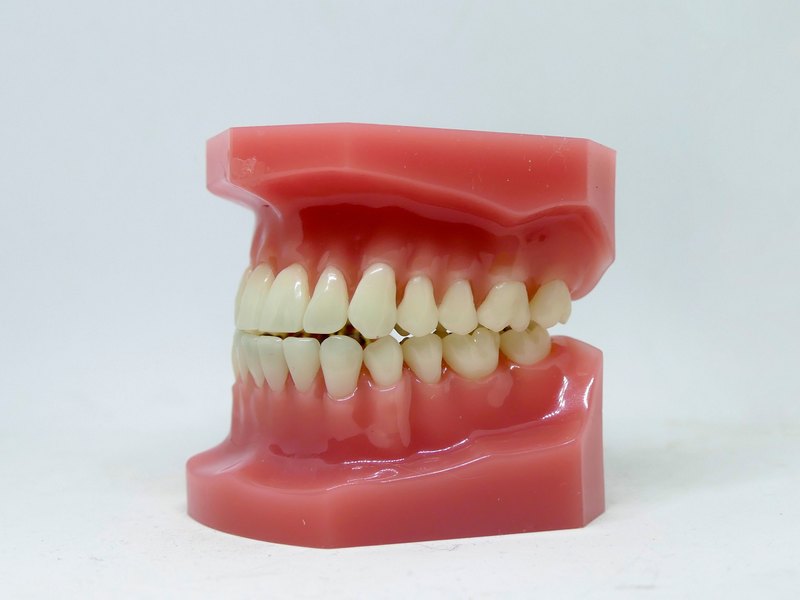
How your upper and lower teeth come together is part of the assessment, and the Association’s guidance shows why. It lists a deep overbite, along with clenching and grinding, as a reason veneers may not be a good choice.
The Association also advises telling your dentist if your bite does not feel right after placement, so it can be corrected.
Conditions That Rule Veneers Out for Now
Active decay, gum disease, too little healthy enamel and a tooth needing structural repair can stop a veneer plan at the assessment stage. In many cases they pause the plan instead of ending it, because the underlying problem is treated first.
Active Decay or Gum Disease
Untreated decay and gum disease are handled first. The Association’s guidance names both: “Your dentist must first treat any dental issues you have like decay or gum disease.”
A professional cleaning or gum treatment may come before any cosmetic work is planned. In the ADA glossary, “inflammation of gum tissue without loss of connective tissue” is the definition of gingivitis. Periodontitis is “a severe form of gum disease which can lead to tooth loss.”
If deeper treatment is needed, our post on whether a deep cleaning is painful walks through scaling and root planing.
Not Enough Healthy Enamel
Because enamel is removed to place a veneer, the amount left matters. The ADA glossary describes dental erosion as “the thinning or wearing away” of enamel, and worn edges are one sign of grinding.
Enamel may also affect how well a veneer holds. A long-term study of porcelain veneers appeared in the International Journal of Periodontics and Restorative Dentistry in 2013. Veneers bonded to dentin, the layer beneath enamel, were more likely to fail than those bonded to enamel.
Whether a worn tooth has enough is decided at the exam. Where it does not, ask your dentist about other restorations.
A Tooth That Needs Structural Repair
A veneer covers only the front surface of a tooth, which the Association says separates it from a crown that covers the entire tooth structure. It does not rebuild a tooth that has lost significant structure.
A crown can strengthen a tooth with a large filling “when there isn’t enough tooth remaining to hold the filling,” the ADA says. It can also restore a broken tooth. A tooth in that condition may be better suited to a dental crown than to a veneer.
If cost is part of that decision, our post on whether dental crowns are worth the money walks through it.
Habits and Bites That Make Veneers a Poor Fit
Clenching, grinding and a deep overbite are the habits and bites that the American Dental Association names directly in its guidance. Any of the three may mean veneers are not a good choice, a caution a dentist weighs case by case.
Grinding and Clenching
Grinding is on the list, and the ADA says most people who grind are not aware of it. The Association also notes that any veneer “may chip, crack, wear down or loosen over time.”
Dentists and hygienists are often the first to notice signs such as chipped or cracked teeth or worn spots along the edges. Say so if you even suspect it, because your dentist may recommend a night guard to protect your teeth while you sleep.
A Deep Overbite
A deep overbite sits right beside grinding in the Association’s guidance. The guidance does not say that every overbite rules treatment out.
Whether it does depends on how deep the overbite is and what else is happening in the bite, which only an examination can show. Your dentist can tell you where your own bite falls.
An Untreated Bite Problem
Beyond overbite, a bite that is causing chipping or wear is worth raising first. The ADA lists teeth that do not line up properly, and missing or crooked teeth, among the possible causes of teeth grinding.
Depending on the finding, a bite issue may be treated first or may change which teeth get dental veneers and which do not.
Why the Permanence Changes the Decision
Permanence changes the decision because a veneer takes enamel away, so the Association describes the treatment as not reversible. Once enamel is gone, the decision cannot be undone. That is why the assessment is worth taking seriously, and why the ADA advises trusting only a licensed dentist to place a veneer.
| What the dentist finds | Why it changes the plan | What usually comes first |
|---|---|---|
| Active decay | Covering an unhealthy tooth may worsen the existing problem | Treating the decay |
| Gum disease | Your dentist must first treat gum disease, per the American Dental Association | Treating the gums |
| Heavy grinding or a deep overbite | Veneers may not be a good choice, per the American Dental Association | A bite assessment |
| Too little healthy enamel | Enamel is removed to place a veneer, so there has to be enough | Discussing a different restoration |
The Association also recommends checking a provider’s license before treatment. Our guide on how to find a good dentist in South Gate covers that check.
Finding Out Where You Stand in South Gate
Finding out where you stand takes an examination, because nothing on this page can tell you about your own teeth. What it does tell you is what will be looked at, so the South Gate appointment is easier to walk into.
At Simple Dental, we start veneer care with a consultation that covers whether veneers are the right choice for your situation. Call (323) 999-2378 to ask whether veneers suit your own teeth, or schedule your visit through our South Gate scheduling page.
Frequently Asked Questions
What disqualifies you from getting veneers?
Untreated decay, gum disease and too little healthy enamel can each stop a veneer plan. So can heavy clenching, grinding or a deep overbite, which the American Dental Association names as reasons veneers may not suit a patient. Several of these are treated first, so the plan is often paused for a while.
Can you get veneers if you have gum disease?
Usually not until the gums are treated, since the American Dental Association says your dentist handles gum disease and decay before veneers are placed. Covering unhealthy teeth may make existing problems worse, so a cleaning or gum treatment may come first. Once the gums are healthy, the veneer plan can be reviewed again.
What do dentists do to teeth before veneers?
For porcelain veneers, the American Dental Association describes taking a small amount of enamel off the front and sides of each tooth. Composite veneers may need less, and the exact amount depends on the tooth. Because enamel is taken away, the Association calls the treatment not reversible.
What do dentists recommend instead of veneers?
That depends on what ruled them out, since decay and gum disease are usually treated first and then the veneer plan can resume. A tooth without enough structure may suit a crown better. Bite problems are assessed before any cosmetic work is planned, and your dentist can explain which other restorations fit.
 What Qualifies as a Dental Emergency in South Gate?